Peptide Accessories: Bacteriostatic Water and Acetic Acid for Laboratory Preparation
Lyophilized peptides arrive as dry powder, and laboratories dissolve them in a diluent before use. This category lists the diluents we supply, with plain guidance on which one fits which situation.
Products in This Category
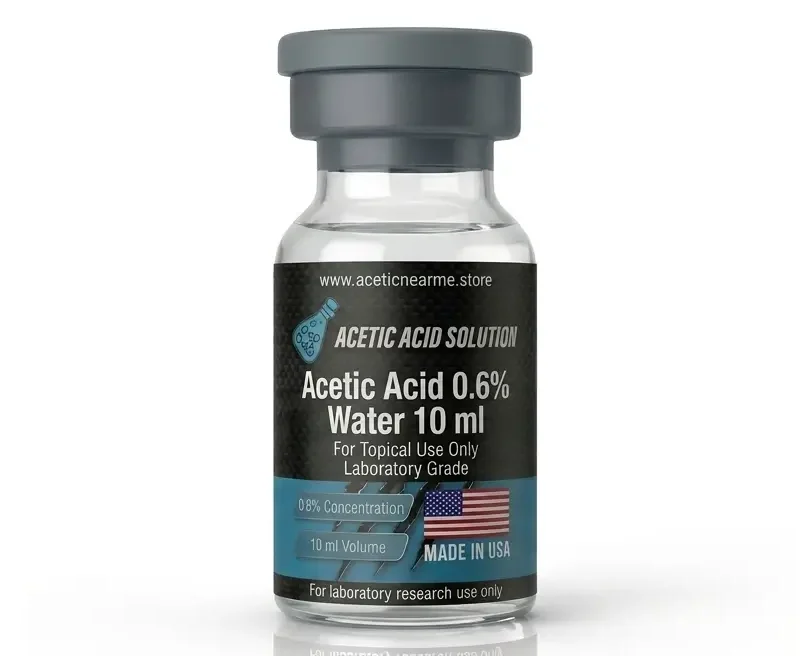
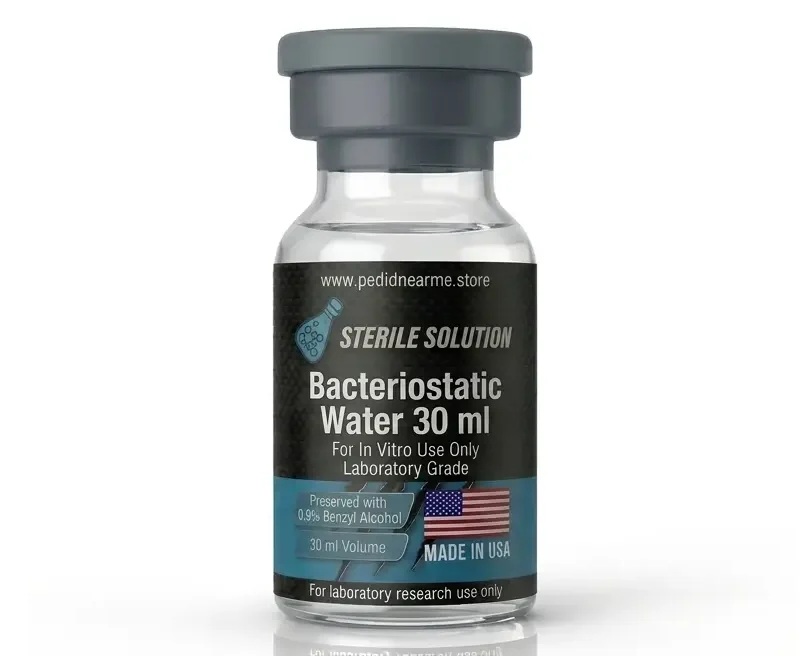
Bacteriostatic water 30 ml is sterile water that contains 0.9 percent benzyl alcohol, which limits bacterial growth after a vial is punctured. Acetic acid 0.6 percent water 10 ml is a mildly acidic diluent that researchers use for peptides that dissolve poorly in plain water or stick to plastic, such as IGF-1 LR3.
Which Diluent Fits
| Diluent | Best for | Note |
|---|---|---|
| Bacteriostatic water | Most standard peptides | Multi dose vials, use within the labeled window |
| Acetic acid 0.6 percent | Peptides with poor solubility | Follow the handling guide for that compound |
Handling and Storage
Keep diluents sealed, cool, and away from light until use. Mark the date when you first puncture a vial, and discard it after the period stated on the label, since opened vials lose their protection over time. Always check the handling guide that ships with your compound, because some peptides require a specific diluent. We do not provide dosing or injection guidance.
Quality and Regulation
Accessories are laboratory supplies, sold for research preparation only. Anyone considering human use should consult a licensed physician.
Related Categories
Browse Starter Kits for bundled orders, or the Sleep and Growth Hormone category.
FAQ
What is bacteriostatic water?
It is sterile water with 0.9 percent benzyl alcohol, used to reconstitute multi dose vials.
When do I need acetic acid instead?
Some peptides dissolve poorly in plain water, and the handling guide will say so.
How long does an opened vial last?
Follow the date and window stated on the label and in your handling guide.
Accessories are sold for labo
-
Acetic Acid 0.6% Water 10 ml
$10.00 -
Bacteriostatic Water 30 ml
$15.00