Anti Aging Peptides: Research Compounds for Skin and Longevity Studies
Looking for anti aging peptides that come with real lab documentation? This category groups our research compounds studied for skin biology, collagen, hair follicles, and aging pathways. Every product ships with a lot matched Certificate of Analysis, and orders go out across the US within 48 hours. Browse the products below, or read our short guide underneath to compare them.
What Are Anti Aging Peptides?
Anti aging peptides are short chains of amino acids that researchers study for how they affect skin, tissue repair, and cell aging. The label is a marketing term, not a medical category. It covers very different compounds, from copper peptides studied for collagen to a tetrapeptide studied for telomeres.
Most of the evidence comes from cell studies, animal studies, and small cosmetic trials. No peptide in this category has been proven to slow or reverse aging in people, so treat everything here as research material.
Anti Aging Peptides in This Category
| Product | What researchers study | Page |
|---|---|---|
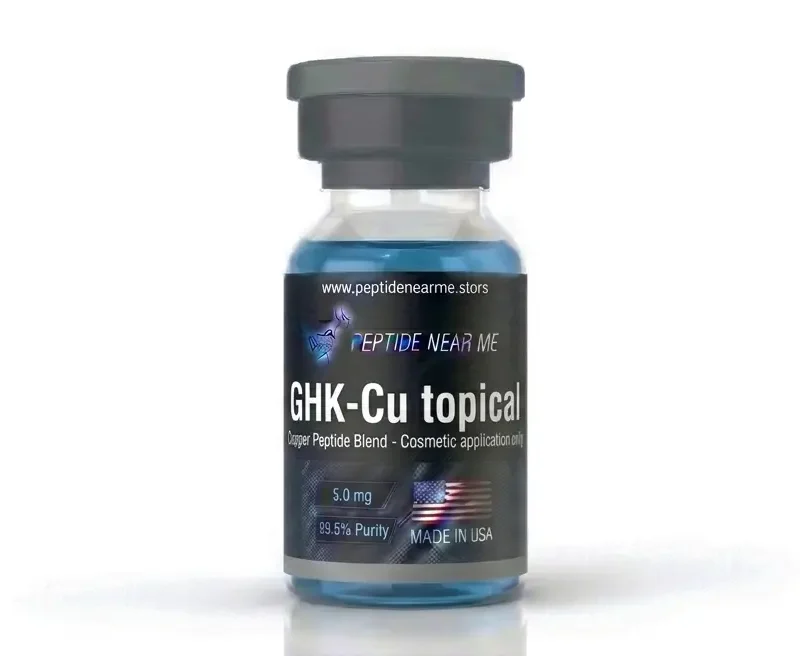
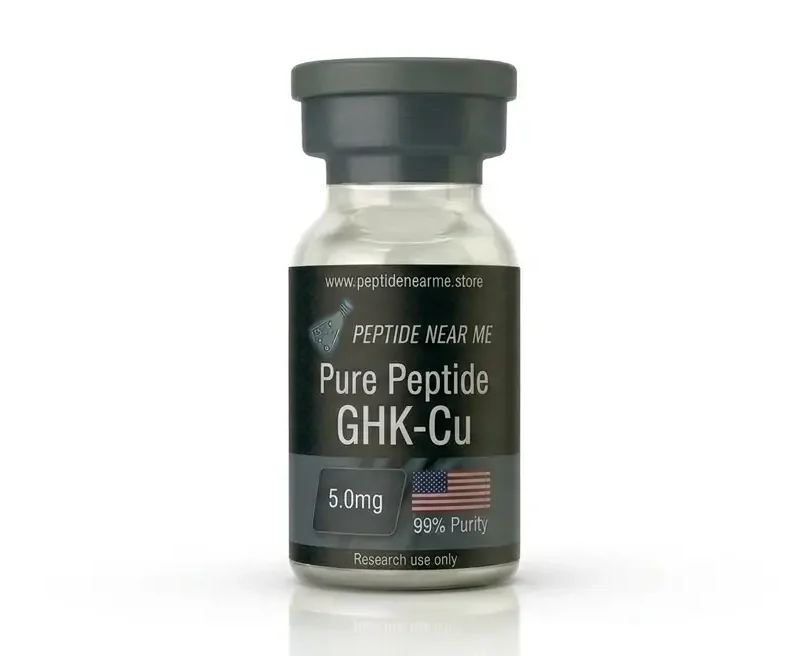
| GHK-Cu | Skin remodeling, collagen, and wound healing | GHK-Cu |
| GHK-Cu Topical Serum | The skin focused format of the copper peptide | GHK-Cu Topical Serum |
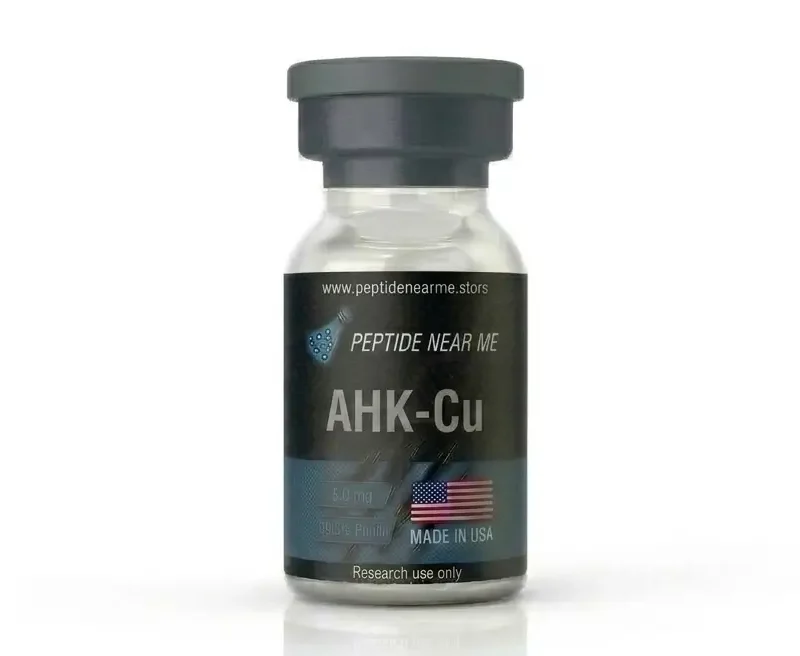
| AHK-Cu | Hair follicle cells and scalp formulations | AHK-Cu |
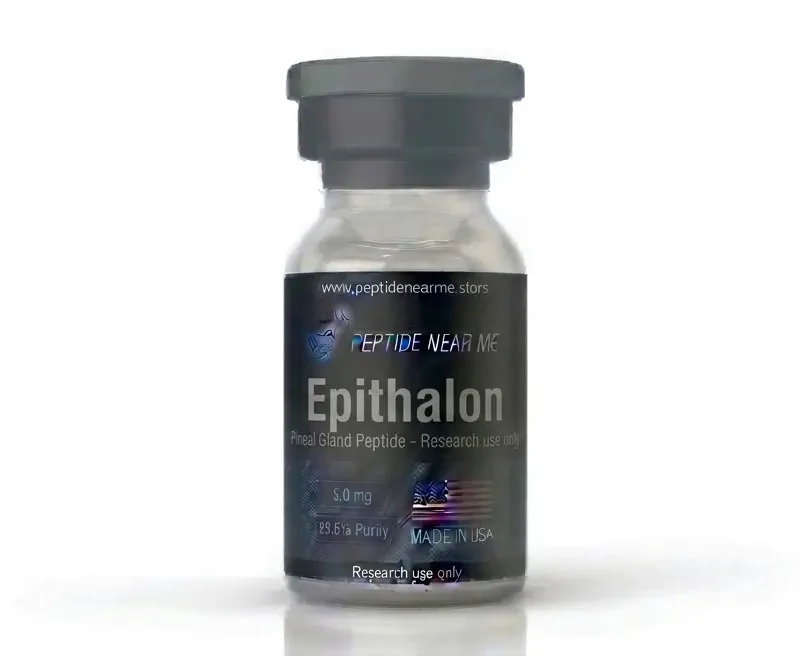
| Epithalon | Telomerase and aging biology | Epithalon |
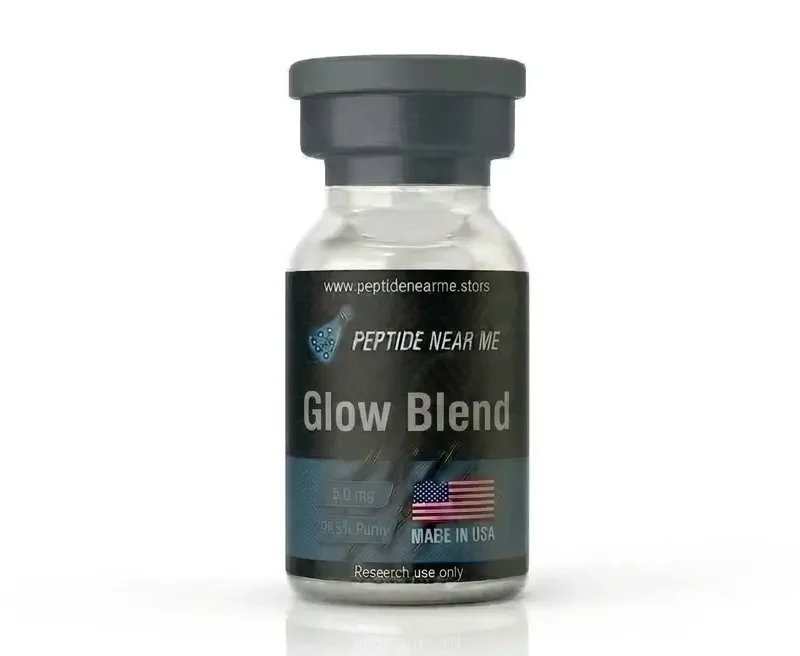
| Glow Blend | BPC-157, GHK-Cu, and TB-500 in one vial | Glow Blend |
How to Choose Between Anti Aging Peptides
Start with what you want to study, because each compound points in a different direction.
For Skin Research
GHK-Cu has the largest research base in this category, mostly for skin and topical use. If you study the topical format, see the GHK-Cu topical serum, which has the stronger evidence for skin surface research.
For Scalp and Hair Research
AHK-Cu is a copper peptide that researchers study in hair follicle cells. Human evidence for hair regrowth is missing, so it remains a research tool.
For Aging Biology Research
Epithalon is studied for telomerase activity in cell cultures. Most of the work comes from one research group, and no randomized human trial exists.
For Skin and Repair Together
The Glow Blend combines GHK-Cu with BPC-157 and TB-500 in one vial, and the BPC-157 and GHK-Cu stack pairs two of them. For repair focused compounds, see our Recovery and Repair category.
GHK-Cu vs AHK-Cu: The Short Version
| GHK-Cu | AHK-Cu | |
|---|---|---|
| Origin | Found naturally in human plasma | Synthetic |
| Main research focus | Skin remodeling and wound healing | Hair follicle cells |
| Research base | Large, studied since the 1970s | Small |
| Human data | Limited, mostly cosmetic and wound studies | None for hair regrowth |
In short, GHK-Cu has the stronger evidence base overall, while AHK-Cu draws interest for scalp work.
What the Evidence Actually Shows
Here is the plain version. Copper peptides show collagen and wound healing effects in cell studies and small cosmetic studies. Epithalon raises telomerase activity in cultured cells, but researchers have not confirmed that in living people. No product here has been shown to reverse wrinkles, regrow hair, or extend human lifespan in a controlled trial.
So, an anti aging peptide is a research tool. It does not replace sun protection, sleep, nutrition, exercise, or medical care for skin conditions.
Safety Notes for Anti Aging Peptides
Topical copper peptides usually appear well tolerated, with occasional redness or irritation. Injectable use lacks large safety studies in healthy people.
Pregnant or breastfeeding individuals should not use these compounds. People with Wilson’s disease or another copper handling disorder should avoid copper peptides. Anyone with active cancer or a tumor history should seek medical advice first, because some of these compounds influence tissue growth signals. In addition, people with skin conditions or open wounds should talk with a physician before using any product.
Why Buy Anti Aging Peptides From Us
Sellers vary a lot in quality, so here is what we provide on every batch.
| What we provide | Why it matters |
|---|---|
| Lot matched COA | It ties the lab result to your exact batch |
| HPLC purity and identity data | It confirms the vial contains the compound on the label |
| Copper content stated for copper peptides | It confirms the compound is the copper complex |
| Honest product pages | Evidence, limits, and safety notes sit next to every product |
| Real support | A person answers your questions |
Anti Aging Peptides and the Regulatory Picture in 2026
None of these compounds is an approved drug. Cosmetic products containing GHK-Cu are widely sold, and cosmetic rules prohibit claims that a product treats or prevents disease. On the compounding side, an FDA advisory committee backed epitalon in July 2026, but that vote is advisory, and the agency still has to act formally. We offer these products as research compounds.
Check the FDA compounding guidance for the latest before you buy.
Frequently Asked Questions: Anti Aging Peptides
What are anti aging peptides?
They are research peptides studied for skin, collagen, and aging biology, such as GHK-Cu, AHK-Cu, and epithalon. The label is a marketing term, not a medical category.
Do anti aging peptides work?
Cell studies and small cosmetic studies report effects on collagen and skin texture. However, large human trials showing that they slow or reverse aging are missing.
What is the difference between GHK-Cu and AHK-Cu?
GHK-Cu occurs naturally and has a larger research base, mostly for skin. AHK-Cu is synthetic and draws interest for scalp research.
Is topical better than injection?
For skin research, the topical format has the stronger evidence and the lower practical risk. Injection lacks validated protocols, so we do not publish injection instructions.
What is the dosage for anti aging peptides?
No approved or clinically tested doses exist for injection, so we do not publish dosing protocols. Anyone considering use outside a laboratory should consult a licensed physician.
Can peptides regrow hair?
Cell studies suggest effects on hair follicles, but no large human trial confirms regrowth. Minoxidil remains the only FDA approved topical option.
Are they safe?
Topical use usually appears well tolerated. Long term human safety data for injectable use is missing, and some groups should avoid these compounds.
How should I store them?
Keep unopened vials cold and away from light, and follow the storage card in your package. After reconstitution, keep the solution refrigerated and use it within the window stated on the card.
-
AHK-Cu Peptide
Price range: $45.00 through $85.00 -
Epithalon Peptide For Sale
Price range: $65.00 through $145.00 -
Glow Blend Peptide 70mg
Price range: $170.00 through $220.00 -
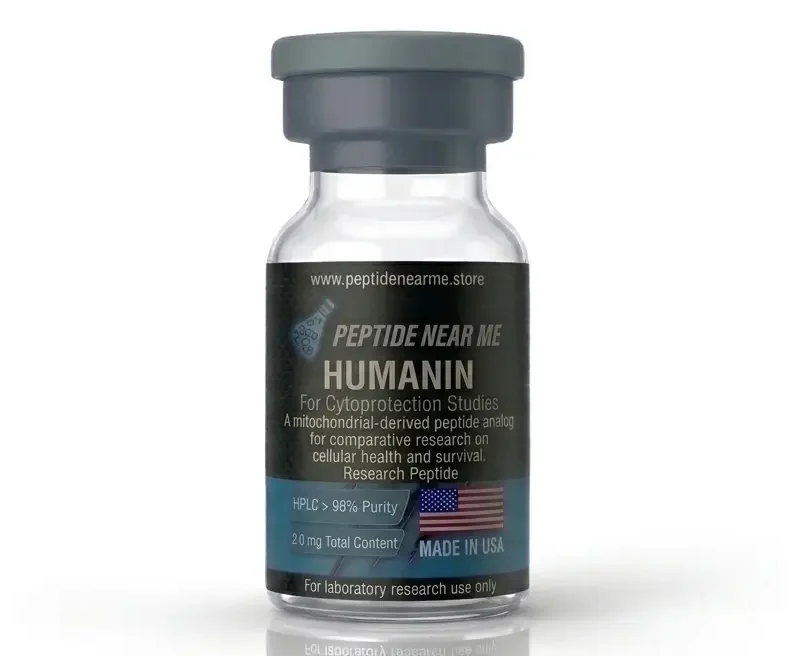
Humanin Peptide Buy
Price range: $40.00 through $110.00 -
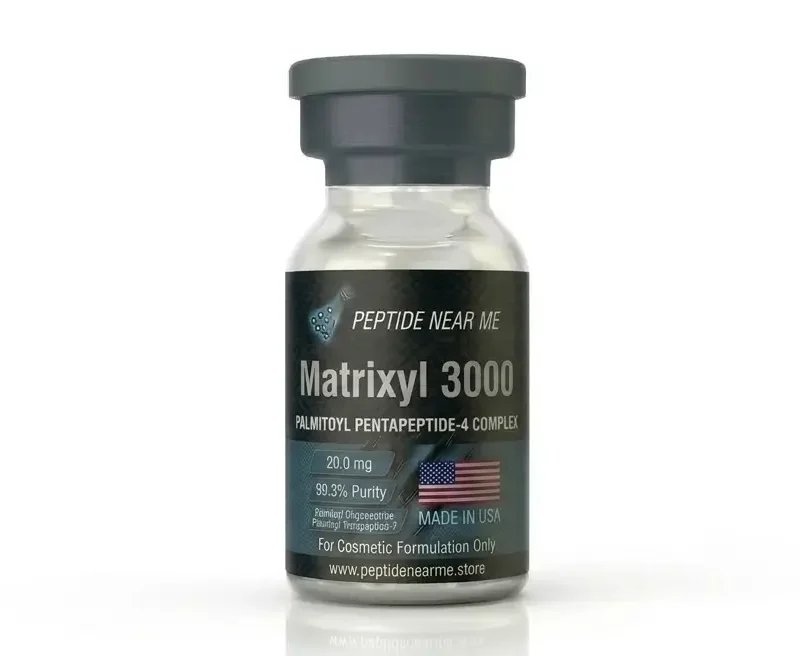
Matrixyl 3000 Peptide Serum — Buy Online | Peptide Near Me
Price range: $45.00 through $80.00 -
MOTS-c Buy
Price range: $40.00 through $80.00 -
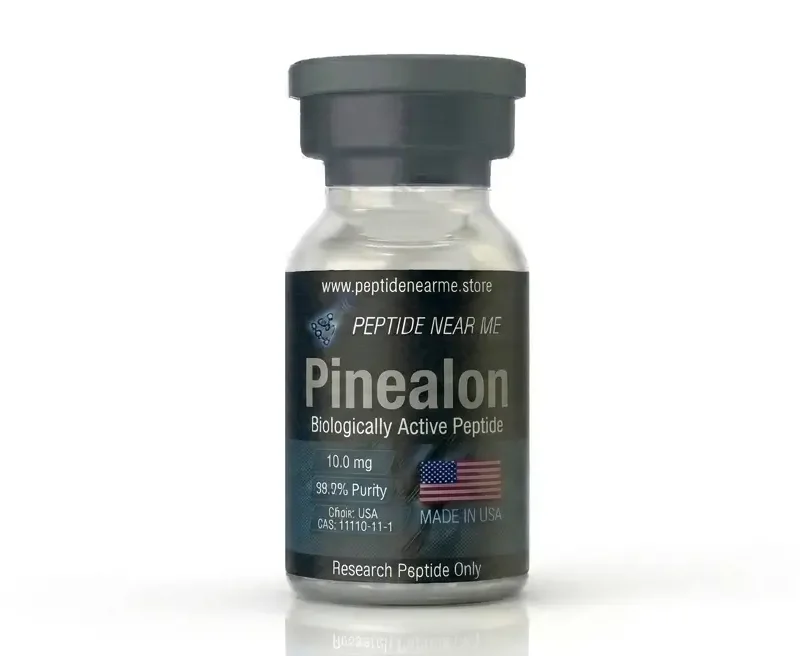
Pinealon Peptide Buy
Price range: $45.00 through $120.00 -
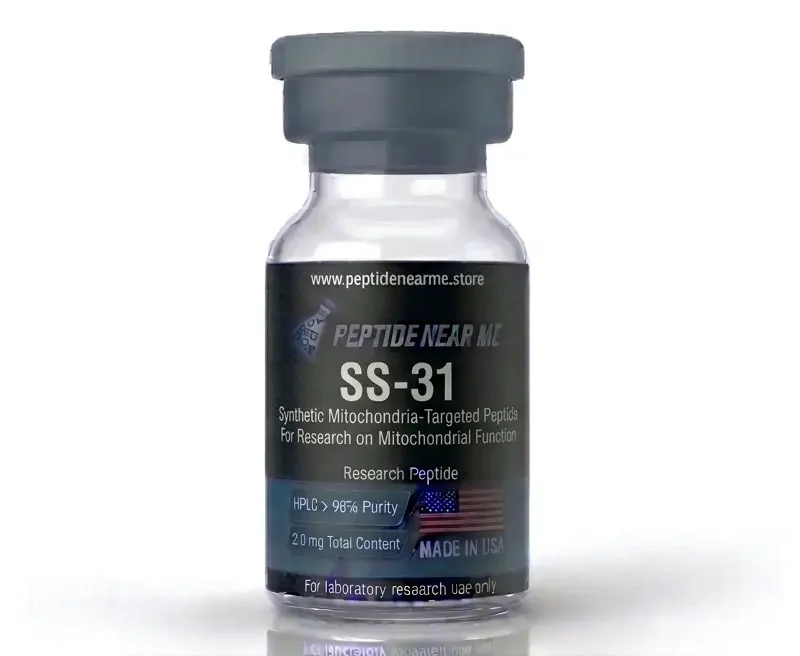
SS 31 Peptide Buy
Price range: $40.00 through $110.00 -
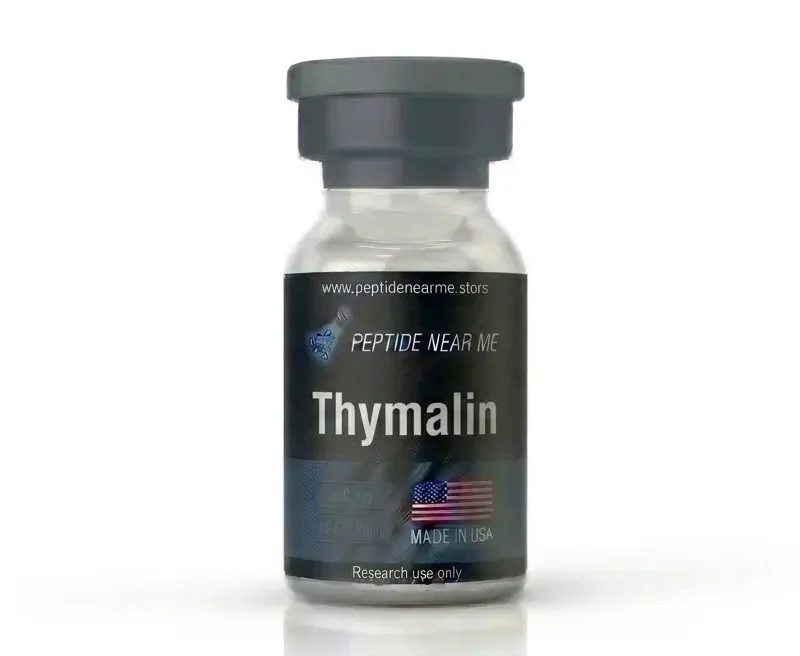
Thymalin Peptide For Sale
Price range: $45.00 through $140.00 -
Where to Buy GHK-Cu: Copper Peptide 50mg and 100mg
Price range: $70.00 through $110.00