
AHK-Cu Peptide
October 20, 2026
KPV Peptide For Sale: Lys-Pro-Val 10mg Vial | Ships in 48h
October 20, 2026
Glow Blend Peptide 70mg
Glow Blend Peptide 70mg: BPC-157 + GHK-Cu + TB-500, Delivered in 48 Hours
Searching for a glow blend peptide that lists exactly what sits inside the vial? You have found it. This research blend combines three well known peptides in one lyophilized 70mg vial: 50mg GHK-Cu, 10mg BPC-157, and 10mg TB-500. We test every batch by HPLC, attach a lot matched Certificate of Analysis, and ship anywhere in the US within 48 hours.
Price range: $170.00 through $220.00
What Is the Glow Blend Peptide?
The glow blend is a three component research mixture. Each peptide comes from a different research area, and the blend puts them in a single vial so labs can study them together. Many shoppers also search for it as glow blend, glow peptide blend, or peptide glow blend, and all of those names point to the same formula.
The name comes from GHK-Cu, the copper peptide best known in skin research. BPC-157 and TB-500 join it because researchers study both for tissue repair. As a result, the blend sits between a cosmetic research compound and a recovery research compound.
What Is Inside a Glow Blend Peptide Vial?
| Component | Amount per vial | Share of the blend | Main research area |
|---|---|---|---|
| GHK-Cu | 50mg | About 71% | Skin remodeling, collagen, wound healing |
| BPC-157 | 10mg | About 14% | Tissue repair, gut protection, inflammation |
| TB-500 | 10mg | About 14% | Cell migration, systemic tissue repair |
| Total | 70mg | 100% |
Because GHK-Cu makes up most of the vial, the blend leans toward skin biology. However, the two smaller components still carry meaningful amounts for repair research.
Glow Blend Peptide Benefits: What the Research Says
Each component has its own research profile. Notably, no published study has tested this exact three way mixture, so the points below describe the individual peptides, not the blend.
GHK-Cu and Skin Research
GHK-Cu is a naturally occurring copper tripeptide. Laboratory studies link it to collagen production, extracellular matrix remodeling, and wound healing signals. Pickart and Margolina reviewed this work in the International Journal of Molecular Sciences in 2018, and you can find it on PubMed.
BPC-157 and Tissue Repair
BPC-157 is a synthetic peptide of 15 amino acids. Animal studies examine its effects on tendon, muscle, and gut tissue. Most of that evidence is preclinical, so human data remains limited.
TB-500 and Cell Migration
TB-500 is a synthetic fragment related to thymosin beta 4. Researchers study how it affects actin and cell movement, which matters for tissue repair in animal and cell models. For more detail, see our TB-500 product page and our BPC-157 product page.
The Honest Limit of the Evidence
Marketing around the glow blend often claims synergy between the three peptides. In reality, the idea is a reasonable hypothesis based on their different mechanisms, but no controlled study has confirmed it. Therefore, treat the blend as a research tool, not a proven treatment.
Glow Blend Peptide For Sale: Product Details
Glow Blend 70mg Vial
Each vial contains a fixed 50/10/10 ratio, so every batch follows the same formula.
Composition : 50mg GHK-Cu, 10mg BPC-157, 10mg TB-500
Purity : 98% minimum per component, HPLC verified, third party tested
Format : lyophilized powder, supplied for reconstitution with bacteriostatic water
Includes : storage reference card, COA with identity and purity data
Delivery : 1 to 2 business days, discreet and tracked
Price : $170
Add to Cart
Glow Blend Peptide Dosage: What We Can and Cannot Tell You
Many visitors search for glow blend peptide dosage, so we address it directly. No regulator has approved a dose for this blend, and no human clinical trial has established one. Consequently, we do not publish injection protocols.
What we can state is the math of the vial. If a lab reconstitutes the 70mg powder in 3mL of bacteriostatic water, the concentration works out to about 16.7mg/mL of GHK-Cu and about 3.3mg/mL each of BPC-157 and TB-500. Any aliquot therefore carries the three peptides in that same 5 to 1 to 1 ratio. Researchers should calculate concentrations per component, not per total milligram, because the three peptides do not share one dose.
If you plan any use beyond the laboratory, speak with a licensed physician first. Copper peptides, in particular, interact with the body’s copper and zinc balance, so medical guidance matters.
Glow Blend Peptide vs Buying the Three Peptides Separately
| Glow Blend (one vial) | Three separate vials | |
|---|---|---|
| Ratio | Fixed at 50/10/10 | You choose each amount |
| Flexibility | Low, since one formula covers all | High, since you adjust each peptide |
| Documentation | One COA covering the blend | Individual COA per peptide |
| Convenience | One reconstitution | Three reconstitutions |
| Best for | Studies that need a consistent combined sample | Studies that vary one component at a time |
In short, the blend favors convenience, while separate vials favor control. Researchers who want to change one variable at a time should choose separate vials. For the two component version, see our Wolverine Stack page.
Where to Buy Glow Blend Peptide: What to Check Before You Order
Typing where to buy glow blend peptide into a search engine returns many sellers, and their quality varies widely. A blend adds a specific risk: a single purity figure does not prove that each component sits at the stated amount. For that reason, check the points below.
| What to verify | Why it matters |
|---|---|
| Per component identity and purity | Confirms all three peptides are present, not only one |
| Lot matched COA | Links the lab result to your exact batch |
| Stated amounts per vial | Lets you verify the 50/10/10 ratio |
| Real support contact | Shows the seller stands behind the product |
We provide each of these on every batch. To compare other compounds, browse our full peptide catalog.
Glow Blend Peptide Safety and Who Should Be Careful
Human safety data for this blend does not exist. Reported effects for the individual peptides include injection site irritation, fatigue, and headaches, but those reports come from limited sources.
Pregnant or breastfeeding individuals should not use this blend. People with active cancer, a history of tumors, or copper metabolism disorders such as Wilson’s disease should also avoid it. Furthermore, anyone on blood thinners or immune suppressing medication needs medical advice first.
Regulatory Status in 2026
The FDA has not approved this blend as a drug. BPC-157 and TB-500 have moved between compounding categories in recent years, so their status keeps changing. We sell the glow blend peptide as a research compound. For current rules, check the FDA compounding guidance before you buy.
Ready to Order Your Glow Blend Peptide?
You have seen what the vial contains, what the research supports, and where the evidence stops. The remaining choice is the source, and that choice decides what arrives at your door.
Every vial ships with a lot matched COA. Before any batch enters inventory, we run HPLC testing to confirm identity and purity. Orders placed before 2pm ship the same day, and a real team member handles every question.
Buy Glow Blend 70mg: $170
Questions Before You Order? Contact Us
Free shipping on orders above $200. Discreet outer packaging. Fully tracked.
Frequently Asked Questions: Glow Blend Peptide
What is in it?
One 70mg vial contains 50mg GHK-Cu, 10mg BPC-157, and 10mg TB-500 as a lyophilized powder.
What are the glow blend peptide benefits?
Research on the individual peptides covers skin remodeling, collagen signaling, tissue repair, and cell migration. However, no study has tested the combined blend, so claims about synergy remain unproven.
What is the glow blend peptide dosage?
No approved or clinically tested dose exists. We do not publish injection protocols. Anyone considering use outside a laboratory should consult a licensed physician.
How do I reconstitute it?
Labs typically use bacteriostatic water and add it slowly along the vial wall without shaking. Because the blend has three components, calculate concentration for each peptide separately.
How should I store the glow blend?
Keep unopened vials cold and away from light, and follow the storage card in your package. After reconstitution, keep the solution refrigerated and use it within the window stated on the card.
Is the glow blend the same as the Wolverine Stack?
Not exactly. The Wolverine Stack contains BPC-157 and TB-500 only. The glow blend adds GHK-Cu, which makes up most of the vial.
Can I buy the three peptides separately instead?
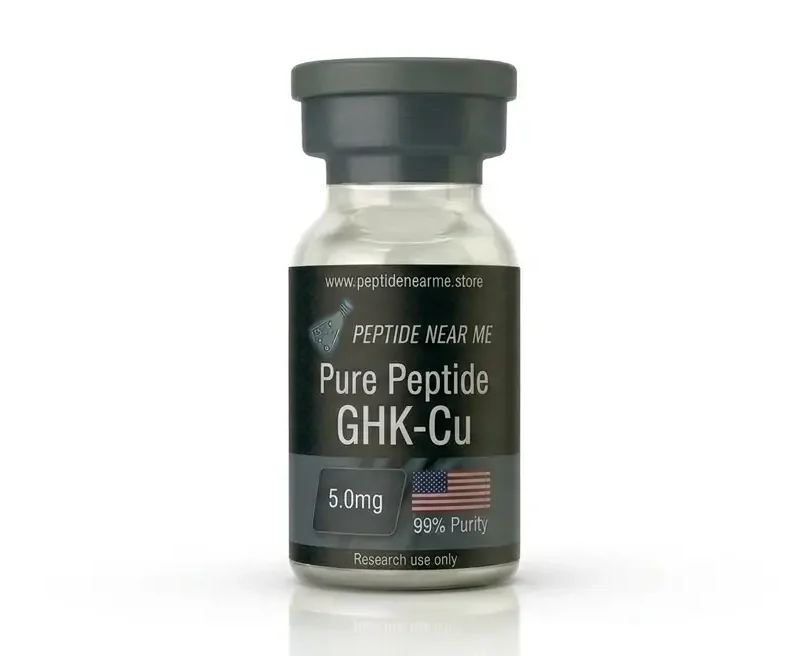
Yes. Separate vials give you control over each amount and come with individual COAs. See our BPC-157, TB-500, and GHK-Cu pages.
Where can I buy glow blend peptide?
You can order it from our store with a lot matched COA. Whichever seller you choose, verify per component identity and purity before you buy.
Is the glow blend peptide legal?
Sellers can offer it as a research compound in the US, and the FDA has not approved it as a drug. Regulations for BPC-157 and TB-500 change often, so check current guidance.
Who should avoid the glow blend?
Pregnant or breastfeeding individuals, people with cancer or a tumor history, and anyone with a copper metabolism disorder should avoid it. Speak with a physician before any use.
All products are sold as research compounds. This page is for informational purposes only and does not constitute medical advice. The glow blend peptide is not approved by the FDA, and no clinical trial has tested this exact combination. Consult a licensed healthcare provider before beginning any protocol.
| Format | Blend 70 mg, Blend 80 mg |
|---|
Related products
-
TB-500 For Sale — Buy TB-500 Peptide Online | Best Price, Ships in 48h
Price range: $55.00 through $135.00

Reviews
There are no reviews yet.