
BPC-157 Peptide — Buy BPC-157 Near Me
October 17, 2026
Wolverine Stack Peptide Buy | BPC-157 + TB-500 | Ships in 48h
October 17, 2026
TB-500 For Sale — Buy TB-500 Peptide Online | Best Price, Ships in 48h
TB-500 Peptide For Sale — Buy TB-500 Online, Best Price, Delivered in 48 Hours
Searching for TB-500 peptide at a price that makes sense, from a source you can actually verify? You’ve come to the right place. TB-500 — a synthetic fragment of Thymosin Beta-4, one of the most studied systemic repair compounds in preclinical research is in stock right now, HPLC-tested, with a lot-matched Certificate of Analysis on every vial. No appointment. No markup. Shipped to your door in 1–2 business days.
Price range: $55.00 through $135.00
What Is the TB-500 Peptide and What Does It Do?
TB-500 peptide is a synthetic peptide based on a fragment of Thymosin Beta-4 (TB-4), a naturally occurring protein found in nearly every human and animal cell. Researchers isolated the active region of that protein the part most relevant to cell migration and tissue repair and synthesized it as a standalone compound for study.
TB-500 and BPC-157 are the most common recovery pairing in peptide research circles, but they work through entirely different mechanisms. Understanding what sets TB-500 apart is what helps you decide whether it fits your protocol or whether you need both.
How TB-500 Works : The Mechanism in Plain Terms
TB-500 binds to monomeric G-actin, regulating actin polymerization. In practical terms, this means it promotes cell migration the process by which repair cells travel to damaged tissue and begin rebuilding it. This systemic mechanism is what distinguishes it from more localized repair compounds.
Where other peptides work at a single injury site, this one mobilizes the body’s repair response across multiple tissue types simultaneously muscle, cardiac tissue, ligaments, tendons, and wound sites all fall within its documented research scope.
What the Research Actually Shows
A 2026 review in The American Journal of Sports Medicine found that TB-500 may show some promise in early preclinical research, but when it comes to high-quality human data on the benefits, we’re still very much in the “more questions than answers” phase.
That’s the honest framing. The animal model data is substantial. Human clinical trials are limited. Anyone presenting TB-500 as a clinically proven treatment is overstating what the science currently supports and we won’t do that here.
What we will say: the preclinical evidence base is among the most extensive of any peptide in this category, and the mechanism is well understood at a cellular level.
For the most current research, browse the TB-500 studies indexed on PubMed.
TB-500 Peptide Benefits : What Researchers Have Documented
Muscle and Connective Tissue Recovery
TB-500 has a following built on animal research and athlete reports, particularly for muscle recovery rates and inflammation reduction. The compound’s cell migration mechanism makes it especially relevant for connective tissue tendons, ligaments, and the fascia that surrounds muscle groups.
Cardiac Tissue Repair
One of the more surprising areas of TB-500 research is cardiac tissue. Several preclinical studies have examined its potential role in post-injury cardiac repair, which has attracted interest from researchers beyond the sports performance space.
Wound Healing and Inflammation Control
TB-500 is a synthetic version of a naturally occurring peptide (Thymosin Beta-4) with proposed benefits in tissue repair and inflammation reduction, though most research comes from animal studies or cell cultures.
Joint and Inflammatory Bowel Support
Emerging preclinical data has also examined TB-500 in the context of joint inflammation and gastrointestinal applications areas where BPC-157 has a stronger documented profile, but where TB-500’s systemic reach adds a complementary dimension.
→ Compare TB-500 vs BPC-157 →
TB-500 Peptide For Sale : Our Products
Clean starting point for first-time users or shorter cycles. Every vial comes with a lot-matched COA, bacteriostatic water, and a reconstitution reference card.
- Concentration : 5mg per vial
- Purity : ≥98% — HPLC-verified, third-party tested
- Format : Lyophilized powder + bacteriostatic water included
- Delivery : 1–2 business days, discreet and tracked
TB-500 10mg : Full Cycle Value
Designed for longer or higher-dose protocols. Better milligram-per-dollar ratio, same purity standards. Covers a complete 6–8 week cycle at standard dosing.
- Concentration : 10mg per vial
- Purity : ≥99% — HPLC-verified, third-party tested
- Format : Lyophilized powder + bacteriostatic water included
- Delivery : 1–2 business days, discreet and tracked
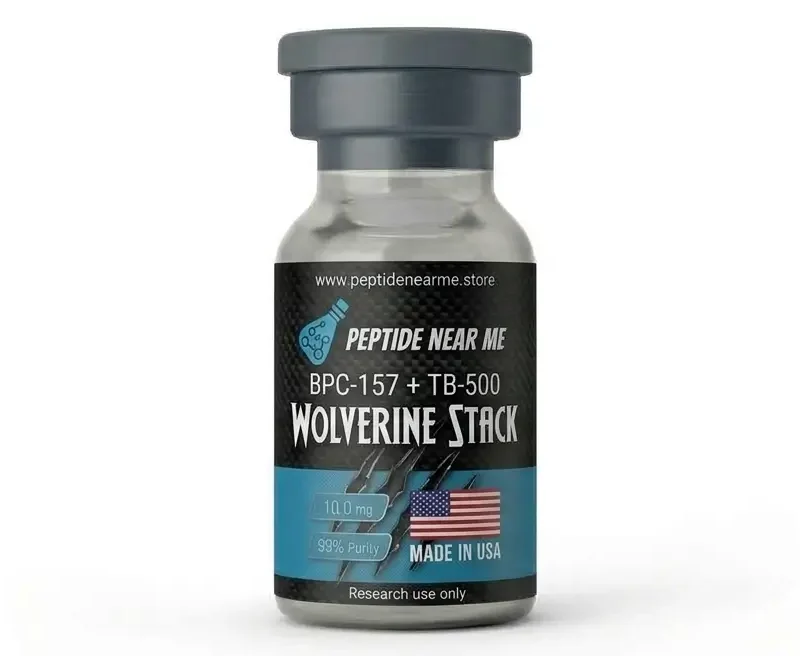
TB-500 + BPC-157 Stack — The Wolverine Stack
The most searched peptide combination of 2026. Two separate vials, two distinct mechanisms, one bundled price lower than buying individually.
Shop the Wolverine Stack →
TB-500 Price What You Actually Pay Here vs. Everywhere Else
Searching tb-500 price online returns a wide range from remarkably cheap vials with no documentation to clinic pricing that buries the compound cost inside a consultation fee you didn’t ask for.
Here is the honest 2026 market breakdown:
| Source | Price per Vial / Monthly | COA Included | Delivery |
|---|---|---|---|
| Peptide Near Me | $XX per vial | Lot-matched, every batch | 1–2 business days |
| Compounding clinic | $200–$500/month | Sometimes | Requires appointment |
| Generic research sites | $30–$80 | Rarely | 5–10 days |
| Wellness center | $150–$400/month | Inconsistent | Varies |
The compound itself doesn’t cost more at a clinic the overhead does. When you purchase directly from us, that markup disappears entirely. You pay for the peptide, the COA, and the shipping. Nothing else is added.
TB-500 Near Me — Why Location Is No Longer a Barrier
People searching tb 500 near me are usually trying to solve a logistics problem: they want something quickly, from somewhere they can trust, without navigating a 3-week clinic waitlist.
Here is the reality of local sourcing for TB-500 in 2026: outside of major metropolitan wellness markets, local access is either nonexistent or prohibitively expensive. Most people who search “tb 500 near me” end up either overpaying at a clinic or settling for an online vendor with no documentation.
We ship every order within 24 hours of placement rural or urban, east coast or west coast. Discreet packaging, full tracking, and cold-chain handling on every vial to protect peptide integrity from our facility to your door.
Where to Buy BPC-157 and TB-500 Together
Searching where to buy bpc 157 and tb 500 is one of the most common recovery peptide queries right now and for good reason. The two compounds have complementary mechanisms and are frequently run together as a combined protocol.
We carry both individually and as a pre-bundled stack:
- BPC-157 alone → Shop BPC-157
- TB-500 alone → You’re already on this page
- Both together → Shop the Wolverine Stack — bundled price, lot-matched COA on each compound
TB-500 Peptide Dosage — What the Research Suggests
No FDA-approved dosing protocol exists for TB-500. What exists is a body of preclinical data and reported human use that has produced some general patterns — not standardized guidelines, but practical reference points.
TB-500 Dosage Chart by Objective
| Objective | Dose per Injection | Frequency | Cycle Length |
|---|---|---|---|
| Acute injury recovery | 5mg | 2x per week | 4–6 weeks |
| Chronic tendon / ligament | 2.5–5mg | 1–2x per week | 6–8 weeks |
| General maintenance | 2mg | Once per week | 6 weeks on, 2 off |
| Stacked with BPC-157 | 2.5–5mg | 1–2x per week | 4–8 weeks |
Is It Okay to Take TB-500 Daily?
Daily use is not the typical protocol for TB-500. Unlike BPC-157 which is often run daily at low doses, TB-500’s standard research-based use is once or twice weekly at higher doses per injection. Daily use at full doses has not been studied in humans and carries unknown cumulative risk. Start with the conservative weekly protocol before considering any adjustment.
How Long Does TB-500 Take to Work?
Most users report early effects within 2–3 weeks of consistent use, particularly for inflammation-related symptoms. For structural repair of tendons or ligaments, meaningful change typically requires a full 4–6 week cycle. Patience matters here this is a compound that works with your body’s repair timeline, not against it.
TB-500 Capsules vs Injectable
TB-500 is available in both injectable and capsule formats. Injectable subcutaneous administration remains the most studied delivery route and the one with the most documented bioavailability data. Capsule formats have lower documented absorption and are generally considered a secondary option. Our catalog carries injectable format the one that matches the research protocols.
TB-500 Side Effects : The Complete Picture
Reported side effects range from mild injection-site reactions, headaches, fatigue, and fluid retention to unknown long-term risks involving immune function.
Commonly Reported Side Effects
- Injection site sensitivity redness, mild swelling, resolves within 24–72h
- Fatigue in the first week of a new cycle, particularly at higher doses
- Headaches reported by a minority of users, typically transient
- Mild fluid retention at higher doses generally resolves when dosing frequency is reduced
What We Don’t Know Yet
Unknown effects on organs (liver, kidneys) remain a concern with TB-500 given the limited long-term human data available. Some side effects may stem from contaminants, improper storage, or inaccurate labeling rather than the compound itself which is exactly why sourcing from a COA-verified supplier matters more than most buyers realize.
Does TB-500 Affect Testosterone?
Based on current preclinical data, TB-500 does not appear to directly affect testosterone production or the hypothalamic-pituitary-gonadal axis. It operates through actin-binding and cell migration pathways, not hormonal signaling. That said, human data confirming this is limited, and anyone on TRT or hormonal therapy should discuss TB-500 with their prescribing physician before adding it to their protocol.
Who Should Avoid TB-500
- Individuals with active cancer or a history of tumor growth the cell migration mechanism warrants caution
- Pregnant or breastfeeding individuals
- People with autoimmune conditions or on immunosuppressive therapy
- Anyone with unmonitored kidney or liver conditions
TB-500 vs BPC-157 — Key Differences
| TB-500 | BPC-157 | |
|---|---|---|
| Origin | Synthetic fragment of Thymosin Beta-4 | Synthetic fragment of gastric protein |
| Primary mechanism | Cell migration + actin polymerization regulation | Angiogenesis + anti-inflammatory signaling |
| Best for | Systemic recovery, cardiac, full-body tissue repair | Gut health, localized injury, GI protection |
| Research base | Strong animal data, limited human trials | 100+ preclinical studies, stronger GI data |
| Dosing frequency | 1–2x per week | Daily or 5x per week |
| Stack compatible | Yes — complementary mechanisms |
→ Choose TB-500 for broad systemic recovery and full-body tissue mobilization.
→ Choose BPC-157 for gut health, localized injury repair, or targeted GI work.
→ Run both when dealing with a complex injury or multi-system recovery goal.
→ Shop BPC-157 → | Shop the Wolverine Stack →
TB-500 Regulatory Status in 2026
On April 15, 2026, the FDA removed TB-500 from the Category 2 restricted list. A Pharmacy Compounding Advisory Committee meeting on July 23–24, 2026 will evaluate whether TB-500 should be formally added to the authorized bulk substances list for compounding pharmacies specifically for wound healing applications.
For the official FDA compounding guidance and current bulk substances list, refer to FDA.gov.
What this means for your order:
- Legal to purchase as a research compound across the US
- Compounding pharmacies can now prepare it under physician prescription
- Not FDA-approved as a drug for any specific human indication
- Regulatory status updated on this page in real time
Ready to Purchase TB-500 Peptide?
You’ve read through the research, understood the mechanism, and know what you’re looking for. The only variable left is the source and that’s where we’ve built our entire reputation.
Every vial ships with a lot-matched COA. Every batch is HPLC-tested before it enters our inventory. Orders placed before 2pm ship the same day. If something isn’t right with your order, a real person handles it not a ticket system.
Frequently Asked Questions — TB-500 Peptide
What is the TB-500 peptide used for?
TB-500 is primarily studied for systemic tissue repair muscle recovery, tendon and ligament healing, wound closure, and cardiac tissue repair. It works through cell migration and actin regulation, giving it a broader reach than most localized repair compounds. All documented uses are based on preclinical data; no human clinical trials have been completed to confirm these effects.
How often should I take TB-500?
The standard protocol is once or twice per week at 2.5–5mg per injection. Daily use is not recommended TB-500 is not a daily compound. Most cycles run 4–8 weeks followed by a 2-week break before reassessing.
How does TB-500 make you feel?
Users most commonly report reduced inflammation and joint discomfort during a cycle, along with a general sense of improved recovery between training sessions. Some report mild fatigue in the first week. It does not produce stimulant-like effects or immediate sensory changes the effects build over 2–4 weeks of consistent use.
Are peptides safer than steroids?
They operate through entirely different pathways. Peptides like TB-500 work with naturally occurring biological mechanisms cell migration, actin polymerization rather than bypassing hormonal regulation the way anabolic steroids do. That said, “safer” is not the same as “safe.” TB-500 lacks long-term human data, and the risks of contaminated or mislabeled products from poor-quality sources are real. Source quality matters as much as the compound itself.
Are peptides hard on the liver?
Unknown effects on organs (liver, kidneys) remain a concern with TB-500 given limited long-term human data. Unlike oral anabolic compounds that undergo significant hepatic processing, subcutaneous peptides have a different metabolic route but the honest answer is that long-term organ impact data for TB-500 in humans simply doesn’t exist yet. If you have any existing liver or kidney condition, speak with a physician before starting.
Does TB-500 affect testosterone?
Based on available data, TB-500 does not directly interact with testosterone pathways. Its mechanism involves actin-binding and cell migration, not hormonal signaling. However, for anyone on TRT or other hormone therapy, adding any new compound warrants a conversation with your prescribing physician first.
Can I stack TB-500 with BPC-157?
Yes this is the most popular combination in recovery-focused peptide use. The two compounds cover different biological phases of healing: TB-500 handles systemic cell mobilization while BPC-157 manages local repair, angiogenesis, and gut protection. Running them together addresses more of the recovery cascade than either compound alone. We offer both as a pre-bundled kit through our Wolverine Stack page.
Where does Joe Rogan get his peptides?
Joe Rogan has publicly discussed using peptides including BPC-157 for recovery purposes on his podcast, but has not publicly named a specific vendor or supplier. What matters more than where any public figure sources their peptides is whether your source provides a lot-matched COA, HPLC-verified purity, and a traceable batch number. Those three things are what separate a verified product from an unknown one.
What is the tb-500 peptide price?
Our current tb-500 price is listed on the product cards above. Clinic pricing for compounded TB-500 typically runs $200–$500 per month. Our direct retail price covers the compound, the COA documentation, and shipping with no consultation fee or membership layered on top.
Is TB-500 legal to buy in 2026?
Yes. As of April 15, 2026, TB-500 was removed from the FDA’s Category 2 restricted list and is legal to purchase as a research compound across the United States. It is not FDA-approved for any specific human use, but purchasing it as a research compound is permitted.
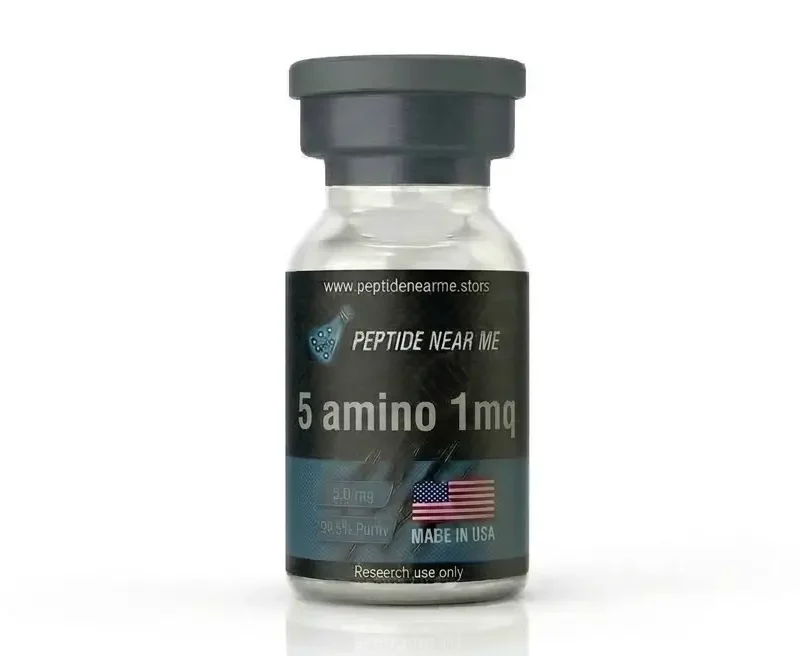
| Format | 5 mg, 10 mg, 20mg |
|---|
Reviews
There are no reviews yet.