Recovery Peptides: Research Compounds for Tissue Repair
Looking for recovery peptides that come with real lab documentation? This category groups our research compounds studied for tendon, muscle, gut, and wound repair. Every product ships with a lot matched Certificate of Analysis, and orders go out across the US within 48 hours. Browse the products below, or read our short guide underneath to compare them.
What Are Recovery Peptides?
Recovery peptides are short chains of amino acids that researchers study for how they affect tissue repair. The term is a marketing label, not a medical category. It covers compounds with very different mechanisms, from blood vessel growth signals to cell migration and inflammation control.
Most of the evidence comes from cell and animal studies. Human trials are rare, so treat everything in this category as research material, not as a proven treatment.
Recovery Peptides in This Category
| Product | What researchers study | Page |
|---|---|---|
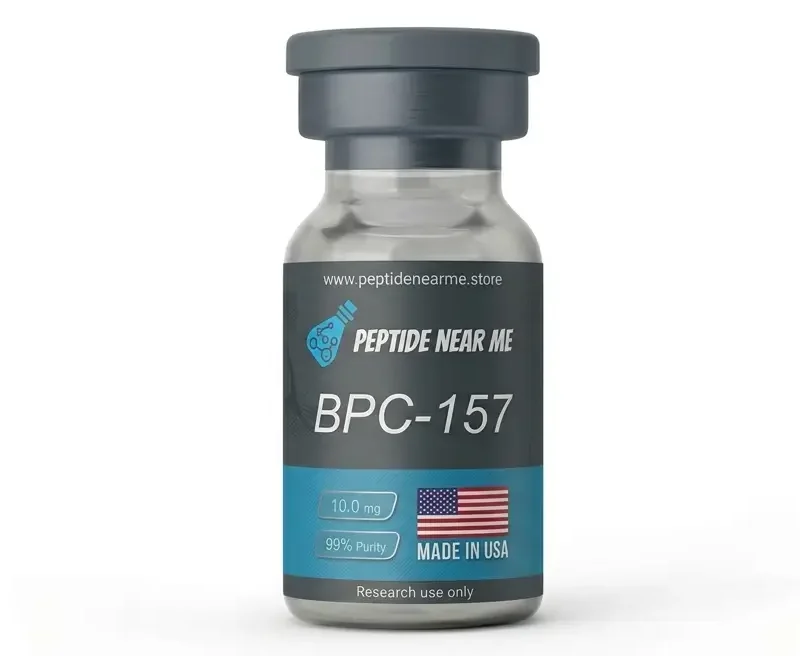
| BPC-157 | Tendon, muscle, and gut repair in animal models | BPC-157 |
| TB-500 | Cell migration and systemic tissue repair | TB-500 |
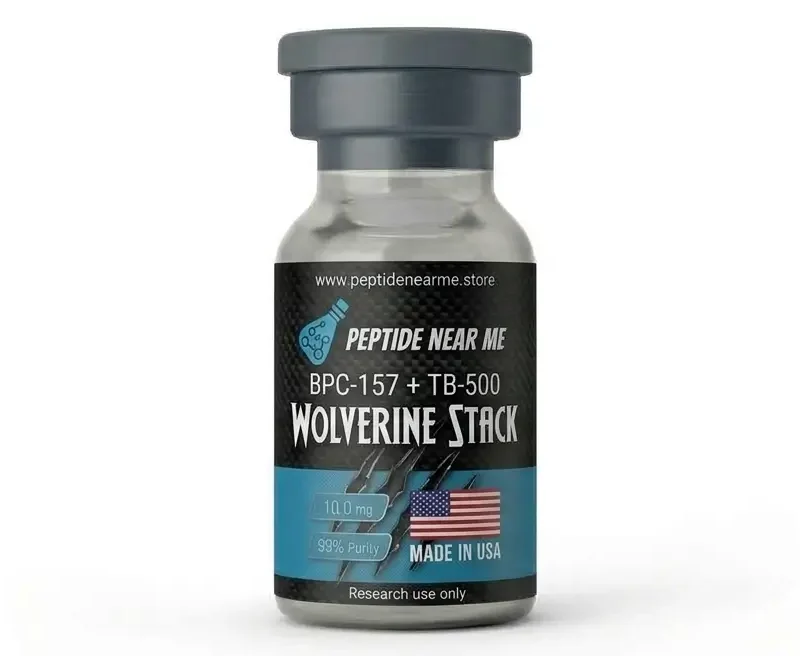
| Wolverine Stack | BPC-157 and TB-500 in one kit | Wolverine Stack |
| BPC-157 Starter Kit | Vial, bacteriostatic water, and PDF guide for first orders | Starter Kit |
| BPC-157 and GHK-Cu Stack | Repair plus skin research | BPC-157 and GHK-Cu |
| KPV | Inflammation signaling in cell and mouse studies | KPV |
| LL-37 | Wound healing and immune signaling | LL-37 |
How to Choose Between Recovery Peptides
Start with the question you want to study, because each compound answers a different one.
For Local Tissue Repair Research
BPC-157 has the largest body of animal research on tendon, ligament, and gut tissue. It is the usual starting point, and our starter kit bundles what a first order needs.
For Systemic Repair Research
TB-500 is studied for cell migration across the body. Researchers often pair it with BPC-157, which is why we offer the Wolverine Stack.
For Inflammation Research
KPV is studied for its effect on inflammatory signaling, mainly in gut and cell models. Human trials do not exist yet.
For Wound and Immune Research
LL-37 is a natural human peptide studied in wound healing. It also carries more safety questions than most peptides here, so read its page before you decide.
For Repair and Skin Together
The BPC-157 and GHK-Cu stack combines a repair peptide with a copper peptide studied for skin. For skin focused compounds, see our Anti-Aging and Skin category.
What the Evidence Actually Shows
Here is the plain version. Animal studies of BPC-157 and TB-500 report faster healing in several tissue types. However, no large randomized human trial supports either one for injury recovery. LL-37 has small human wound trials with mixed results, and KPV has none.
So, a recovery peptide is a research tool. It is not a replacement for medical care, physical therapy, rest, or surgery when you need them.
Safety Notes for Recovery Peptides
Reports for these compounds include injection site irritation, fatigue, and headaches. Long term human safety data is missing for most of them.
Pregnant or breastfeeding individuals should not use these compounds. People with active cancer or a tumor history should avoid compounds that influence blood vessel growth and tissue growth signals. In addition, anyone on blood thinners or immune suppressing medication needs medical advice first. Athletes who are tested should check anti doping rules, because many non approved peptides are prohibited.
Why Buy Recovery Peptides From Us
Sellers vary a lot in quality, so here is what we provide on every batch.
| What we provide | Why it matters |
|---|---|
| Lot matched COA | It ties the lab result to your exact batch |
| HPLC purity and identity data | It confirms the vial contains the compound on the label |
| Clear amount per vial | You can verify the label yourself |
| Honest product pages | Evidence, limits, and safety notes sit next to every product |
| Real support | A person answers your questions |
Recovery Peptides and the Regulatory Picture in 2026
The rules have shifted this year. On July 23, 2026, an FDA advisory committee voted to recommend adding BPC-157 to the 503A bulks list, and it backed TB-500 as well. Those votes are advisory. FDA staff recommended against them, and the agency still has to act formally. None of these compounds is an approved drug, and we offer them as research compounds.
Check the FDA compounding guidance for the latest before you buy.
Frequently Asked Questions: Recovery Peptides
What are recovery peptides?
They are research peptides studied for tissue repair, such as BPC-157 and TB-500. The label is a marketing term, not a medical category.
Which recovery peptide should I start with?
It depends on your research question. BPC-157 has the broadest animal data, and TB-500 is often studied alongside it. Our starter kit suits first orders.
Do recovery peptides work?
Animal studies report faster healing, but large human trials are missing. No one can promise a result.
What is the dosage for recovery peptides?
No approved or clinically tested doses exist, so we do not publish dosing protocols. Anyone considering use outside a laboratory should consult a licensed physician.
What is the difference between BPC-157 and TB-500?
BPC-157 is studied for local repair and blood vessel growth. TB-500 is studied for cell migration across the body. Researchers often use them together.
Are recovery peptides legal?
Sellers can offer them as research compounds in the US, and none is an approved drug. An FDA advisory committee recommended BPC-157 and TB-500 for compounding in July 2026, but the agency has not finalized the decision.
Are they safe?
Long term human safety data is missing. Reported effects include injection site irritation, fatigue, and headaches, and some groups should avoid them.
How should I store them?
Keep unopened vials cold and away from light, and follow the storage card in your package. After reconstitution, keep the solution refrigerated and use it within the window stated on the card.
-
BPC-157 Peptide — Buy BPC-157 Near Me
Price range: $48.00 through $89.00 -
TB-500 For Sale — Buy TB-500 Peptide Online | Best Price, Ships in 48h
Price range: $55.00 through $135.00 -
Wolverine Stack Peptide Buy | BPC-157 + TB-500 | Ships in 48h
Price range: $90.00 through $220.00